
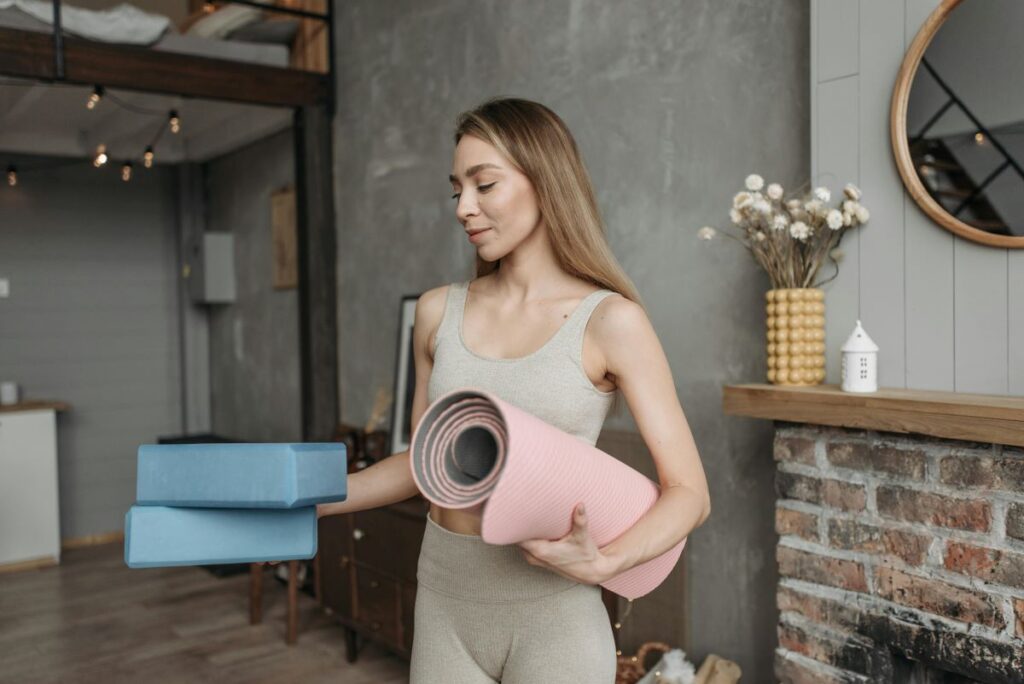
Moving can flip life upside down fast. Boxes pile up, schedules shift, and familiar habits disappear overnight. Sleep gets messy, muscles feel tight, and the mind stays stuck in planning mode. That’s why gentle yoga is essential when moving disrupts your routine. It brings a calm pause in the middle of chaos. A short flow can loosen stiff shoulders, ease back tension, and steady breathing. Even ten minutes helps the body feel supported again. That small reset makes daily tasks feel lighter and more manageable.
Moving Shock: Why the Body Feels Off
Moving days hit hard, even when everything goes smoothly. Heavy lifting tightens shoulders and strains wrists fast. Long drives and late nights also throw off energy. Then hunger cues get weird, and sleep feels lighter. Stress can also speed up the mind and slow down recovery. In the middle of all that, yoga helps reduce stress during major life moves. Gentle stretching loosens stiff hips and eases cramped lower back pain. Slow breathing also lowers tension and helps focus return. As a result, unpacking feels less draining. Even a short session can bring steadiness back.
That calm boost supports better decisions during busy days and keeps motivation from dropping too quickly.

Gentle Yoga Resets the Nervous System
Constant change can keep the body stuck in “go mode.” Heart rate rises, breathing gets shallow, and thoughts bounce around. Gentle yoga slows everything down with steady movement and soft breath. As the pace drops, the nervous system shifts toward calm. That change can reduce muscle tension and ease restless energy. Slow stretches also support circulation after long drives or hours of standing. Even better, mindful breathing helps focus and land in the present moment. As a result, small tasks feel less overwhelming. A calmer body also supports clearer choices during a packed moving schedule.
Small Wins and Sore-Muscle Relief That Fit Moving Week
A moving week needs realistic habits, not perfect plans. Short, gentle yoga sessions keep the body loose without draining energy. Five to ten minutes can open the hips, soften the neck, and relax the back. However, safety matters even before the mat comes out. Lift boxes with bent knees and a tall spine to protect the lower back and avoid injuries on moving day. Keep loads close to the body, and avoid twisting while carrying weight. Wear shoes with grip, and clear walkways to prevent slips. These steps support protecting yourself while relocating and reducing painful setbacks. Take short breaks to drink water and reset posture. Switch tasks often, so one muscle group never overloads. Afterward, choose slow stretches for wrists, shoulders, and legs.
Then add a supported twist or child’s pose to release tension. Over time, these small wins build consistency and help the body recover faster.
Better Sleep Starts With a Softer Evening Flow
Moving often steals the usual bedtime rhythm. Late unpacking, bright screens, and noisy streets can keep the mind alert. Muscles may ache, too, which makes settling down harder. A calmer evening routine can change that fast. Dim lights, sip water, and stop heavy lifting earlier when possible. Then roll out a mat for slow stretches and steady breathing. Right there, gentle yoga is essential when moving disrupts your routine because it signals the body to slow down. Try legs-up-the-wall to rest tired feet and ease swelling. Add a gentle forward fold to relax the back. Finish with deep breaths to quiet racing thoughts. Keep the room cool, and set a simple wake time. That steady sleep cue helps energy return faster each day.
Breathwork That Brings Calm Into a New Space
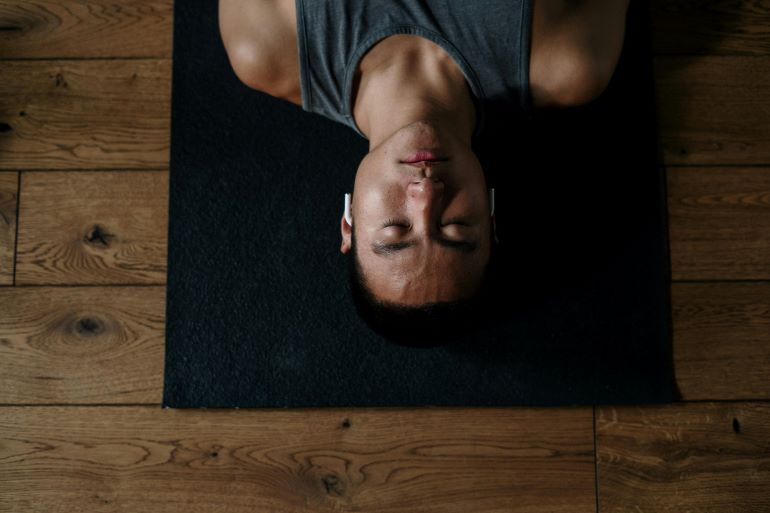
A new home can feel unfamiliar at first. Sounds change, light shifts, and the mind stays on high alert. Breathing exercises can help the body settle faster. Start with a slow inhale through the nose for four seconds. Then exhale for six seconds and relax the shoulders. Repeat for two minutes, and notice the jaw soften. This simple habit supports everyday well-being during busy weeks. It also pairs well with gentle yoga after long errands. Pause before unpacking another box, then take three steady breaths. As a result, focus feels sharper, and stress feels smaller. Over time, calm breathing can turn a new room into a safer-feeling place.
Why Gentle Yoga Is Essential When Moving Disrupts Your Routine: Simple Ways to Stay Grounded and Keep Progress
- Keep it tiny and repeatable – Choose a 7-minute flow and treat it like brushing teeth.
- Use movement to restore mobility – Stretch calves, hips, and shoulders to stay comfortable while unpacking.
- Support mood with mindful focus – Match movement with breath, then notice thoughts slow down.
- Build a flexible weekly rhythm – Pick two longer sessions, then add short resets on busy days.
- Plan for zero-space practice – Try seated stretches, wall support, or floor poses beside a suitcase.
- Track effort, not perfection – Mark each session done, even if it feels simple.
Safety and Support Keep Gentle Yoga Helpful
Gentle yoga should feel soothing, not demanding. Start slow, especially after long days of lifting and errands. Move with control, and keep breathing steady through each stretch. Stop right away if sharp pain shows up. Choose smaller ranges of motion when muscles feel tight. Also, use pillows or folded blankets for extra comfort. Then remember this truth: lean on support during transition to stay consistent with your practice when your schedule changes. A short online class or a simple saved routine can help. Keep sessions brief on busy days, and focus on easy poses. As a result, practice stays safe, steady, and stress-free.

Finding Your Steady Ground Again
After the last box lands, the body still carries stress. New spaces can feel strange, and energy often runs low. Gentle yoga is essential when moving disrupts your routine because it helps rebuild stability without adding pressure. Simple stretches can reconnect movement with comfort. Slow breathing can soften the rushed feeling and improve focus. Each session creates a familiar moment inside an unfamiliar day. Over time, that steady habit can restore better sleep, smoother moods, and more confidence in the new rhythm ahead.
Author’s Bio:
Maya Ellison is a yoga teacher and wellness writer who focuses on gentle movement, stress relief, and simple routines that fit real life. She shares practical ways to stay grounded during busy seasons, including moves, schedule changes, and recovery days.