
Busy parents juggling work and wellness, overloaded professionals, and caregivers running on responsibility often recognize the same mismatch: daily life dissatisfaction shows up as a constant low-grade buzz of pressure. On vacation, the emotional benefits come from fewer decisions, clearer boundaries, and a nervous system that finally gets room to breathe. Back home, work-life imbalance teams up with stress and digital overload, turning routine into a loop of alerts, errands, and half-finished rest. That contrast creates an emotional disconnect from routine, even when life is objectively “fine.” More calm and joy become possible when everyday life starts feeling chosen again.
Design a 10-Minute “Mini-Escape” With Destination-Inspired Art
When weekday life feels flat compared to vacation-you, a quick hit of imagination can bring some of that lightness back on demand. Try creating AI art inspired by a peaceful destination, a favorite travel memory, or a dream experience you hope to have someday; think “quiet beach at sunrise,” “rainy café in Kyoto,” or “mountain air and pine trees.” Turning those feelings into visuals can spark creativity and a sense of relaxation, like a tiny everyday escape that changes the vibe of your environment.
If you want it to feel playful and bold, an AI graffiti generator makes it simple: you type a word, phrase, or idea and instantly get colorful, graffiti-style artwork you can customize and use however you like. You can even create graffiti art with AI to help you translate a place you miss (or crave) into something you can see anytime, no ticket required.
Understanding the “Vacation Effect”
The “vacation effect” is the emotional lift you get when your brain has fewer roles to juggle, clearer boundaries around time, and more novelty to notice. With less to manage, your attention widens, your nervous system settles, and you feel more like yourself again.
In everyday life, the drain often comes from invisible extras: constant availability, unfinished tasks in the background, and the habit of packing your schedule too tightly. It helps explain why 46% of U.S. workers who receive paid time off take less time than they are offered, then wonder why they still feel worn down.
Picture a Saturday where you have nowhere to be, you try one new coffee spot, and you silence notifications for two hours. Nothing “major” changed, yet your mood shifts because responsibility dropped and novelty rose.
Plug Into Studio 108 for Guided Rest and Community Support
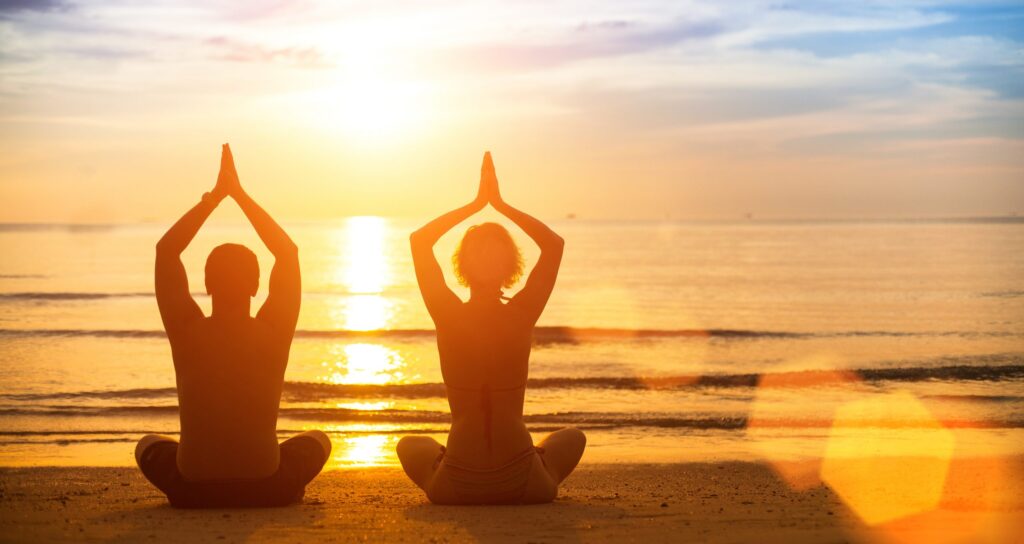
If the “vacation effect” comes from feeling present in your body and unhurried in your mind, movement can be one of the fastest ways to recreate it on a regular Tuesday. A consistent yoga or stretching practice cues your nervous system to downshift: you breathe more deliberately, soften chronic tension, and trade mental noise for simple, moment-to-moment awareness, much like that first deep exhale when you finally arrive. Over time, that physical ease can make ordinary weekdays feel less like something to power through and more like something you can actually inhabit.
If you want structure and support, Studio 108 is a local resource with yoga for all levels, Barre+ workouts, and private assisted stretching. They also offer special events, like sound healing, meditation, and reiki, that can help you build the kind of intentional calm that vacations naturally provide.
Vacation Mindset FAQs for Real-Life Schedules
Q: How do I relax without falling behind on responsibilities?
A: Treat relaxation like a small appointment, not a reward you must earn. Choose one “minimum effective” ritual, like 10 minutes of stretching, a slow shower, or a short walk, then return to your list with a clearer head. The goal is consistency, not perfection.
Q: What daily habit actually makes life feel more vacation-like?
A: Pick one sensory anchor you can repeat: sunlight on your face, a favorite playlist while cooking, or a deliberate breath before opening your laptop. Many people find that movement has a powerful impact on mood, so even gentle activity can shift your whole day.
Q: How can I reduce digital overload when I need my phone for work and family?
A: Create “soft boundaries” instead of bans: turn off non-essential notifications, keep one check-in window for messages, and charge your phone outside the bedroom. If you slip, reset at the next hour rather than scrapping the plan.
Q: When life gets hectic, how do I keep restful routines from disappearing?
A: Build a two-tier plan: a 2-minute version for busy days and a longer version for calmer days. Reducing stress and promoting relaxation can be as simple as three slow breaths or a quick body scan.
Q: Should I feel guilty spending time on myself when others need me?
A: Self-care is part of showing up well, not a selfish detour. Start by naming the benefit you’re protecting, like patience, sleep, or steadier energy, then choose one small action that supports it.
Make Daily Enjoyment a Habit and Keep Vacation Energy Alive
Real life will always come with responsibilities, screens, and tight schedules, so it’s easy for rest to feel like something that only happens on a trip. The steady answer is a sustained vacation mindset: motivating lifestyle change through small, practical action steps and empowerment through routine adjustment, not a perfect plan. When those shifts become consistent, building daily enjoyment starts to feel normal, and long-term emotional well-being becomes easier to protect even on busy weeks. Vacation isn’t a place; it’s a practice you repeat on ordinary days. Choose one shift today and keep it simple enough to repeat tomorrow. That’s how a calmer baseline grows into resilience, better health, and more connected days.