
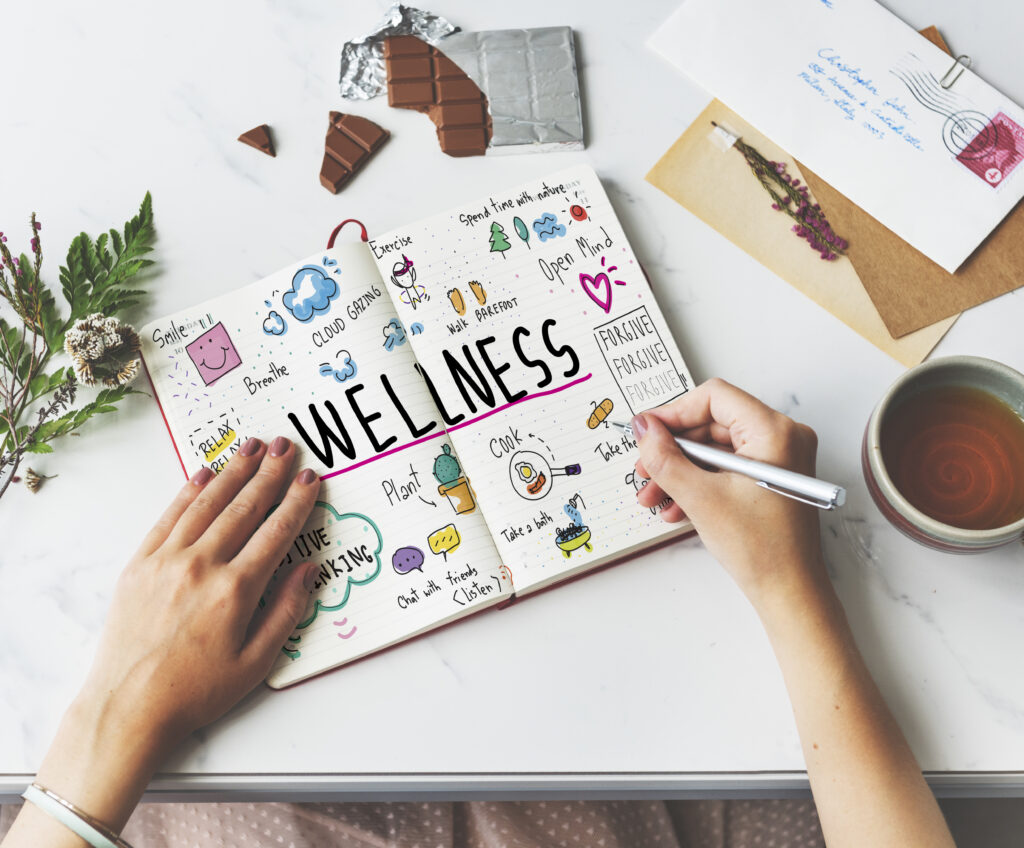
Adults seeking wellness often know what “healthy” looks like, yet daily life makes it hard to stick with it. Between stress management that gets pushed to the bottom of the list, fading fitness motivation after long days, and wellness challenges like tight hips, low energy, or nagging aches, self-care can start to feel like another job. Restless nights can make everything heavier, and improving sleep habits may seem out of reach when routines keep slipping. Self-improvement for health becomes realistic again when progress feels doable and supportive, and when daily energy starts to return.
Quick Summary: Simple Steps for Lasting Wellness
- Reduce daily stress with simple calming practices that help you feel steadier and in control.
- Start beginner-friendly movement routines that build strength and flexibility without feeling overwhelming.
- Upgrade everyday nutrition with small, sustainable choices that support energy and overall health.
- Improve sleep with practical tweaks to your routine that help you rest deeper and recover better.
Build a Balanced Wellness Routine That Sticks
This process helps you create one simple, connected wellness routine instead of a bunch of random “shoulds.” It’s especially useful if you want accessible wellness classes and assisted stretching services, because the right structure makes it easier to start gently, stay consistent, and build confidence.
- Choose one stress tool you’ll actually do
Start with a single stress-management method you can repeat daily, like a short walk outside, calm breathing, or journaling. For an easy win, aim for 15-20 minutes of nature time and treat it like an appointment. Keeping it small prevents burnout and gives your routine a steady anchor. - Add beginner movement plus assisted stretching
Pick two to three “entry-level” movements you can do safely, like a short mobility flow, light strength, or a beginner class that welcomes all levels. Then schedule assisted stretching weekly or biweekly to improve comfort and recovery, especially if you sit a lot or feel tight. This pairing builds strength while also making movement feel better in your body. - Tighten nutrition with two clear guidelines
Choose only two food rules you can follow most days, such as “protein or fiber at every meal” and “water before coffee.” Plan one simple grocery list that supports those rules, so decisions are easier when you’re busy. Clear guidelines beat perfection because they reduce daily stress around eating. - Set a sleep routine you can repeat
Pick a realistic bedtime and wake time, then create a 20 to 30-minute wind-down that includes dimmer lights and no scrolling. Many checklists emphasize that 7 hours is needed for sleep to support stress and overall health. Better sleep makes every other wellness change feel more doable. - Put it on one weekly template and review
Lay out your week on paper or in your phone with three fixed items: your stress tool, two movement sessions, and your stretching appointment. At the end of the week, review what felt easy, what felt hard, and adjust one thing only. A simple weekly reset keeps the plan coherent and keeps you moving forward.
Habits That Make Wellness Stick
Habits turn good intentions into something you can actually live with. They also help adults using accessible wellness classes and assisted stretching services build confidence over time, because progress comes from showing up in small, consistent ways.
Daily 5-Minute Meditation
- What it is: Sit quietly and do a simple daily meditation practice, focusing on your breath.
- How often: Daily
- Why it helps: It calms your nervous system and improves stress tolerance.
Flexibility First Check-In
- What it is: Do two gentle yoga poses for flexibility, like a forward fold and chest opener.
- How often: 4 days weekly
- Why it helps: It supports physical fitness components that many people overlook.
Weekly Assisted Stretch Appointment
- What it is: Book a short assisted stretching session and arrive five minutes early to
settle. - How often: Weekly
- Why it helps: It reduces stiffness and makes movement feel safer.
Boundary Phrase Practice
- What it is: Rehearse one respectful “no” script for plans that drain you.
- How often: Weekly
- Why it helps: It protects energy for classes, rest, and recovery.
One Bad-Habit Swap
- What it is: Replace one trigger habit with water, a walk, or a quick stretch.
- How often: Daily
- Why it helps: Small swaps compound into lasting wellness change.
Common Wellness Questions, Answered
Q: What are effective strategies for reducing stress and improving overall wellness?
A: Start with a short daily reset, like 5 minutes of breathing, a brief walk, or a gentle stretch to signal safety to your nervous system. Choose one or two habits you can repeat even on busy days, because consistency lowers stress more than intensity. Keep a small “calm plan” on your fridge with three go-to options you can do anywhere.
Q: How can I start a fitness routine that is sustainable and enjoyable?
A: Pick a format you actually like, then make the first goal “show up,” not “go hard.” Beginner yoga classes can be a friendly entry point, and 1 in 6 adults practice yoga, so you are far from alone. Aim for two short sessions weekly and track attendance, not perfection.
Q: What tips can help enhance sleep quality to support better health?
A: Keep a steady wind-down routine: dim lights, stop scrolling, and do light stretching or a body scan for five minutes. Caffeine cutoffs and a consistent wake time often help more than trying to force an earlier bedtime. If your mind races, write a quick “tomorrow list” to park worries.
Q: How do I begin adopting healthy habits like better eating and meditation?
A: Start small and specific: add one colorful food daily and meditate for two minutes right after brushing your teeth. A tool that helps you track and monitor your habits can make progress visible and reduce decision fatigue. Print a simple poster with your two habits and check boxes, and place it where you will see it, using a free printable poster maker if you’re exploring options.
Q: How can accessible wellness classes and assisted stretching services help improve flexibility and manage my health?
A: Accessible classes offer guidance, pacing, and modifications so you can move confidently without feeling behind. Assisted stretching can help you relax into safe ranges of motion, especially if stiffness or stress makes you guard movement. Ask for a clear plan you can repeat at home between sessions.
Turn Simple Wellness Steps Into Stronger Weekly Habits
It’s easy to feel stuck between wanting to feel better and not having the time or energy to “do it all.” The steady way forward is the mindset of small, repeatable choices, one or two doable behaviors, simple reminders, and a focus on ongoing self-improvement instead of perfection.
When that approach becomes the norm, wellness motivation shows up more often, and empowerment through wellness starts to feel practical and real. Small habits, repeated weekly, build commitment to healthy living. Choose one habit for the next 7 days and share it with a friend, class, or community wellness support group for gentle accountability. That support is what turns good intentions into resilience, connection, and long-term health.