
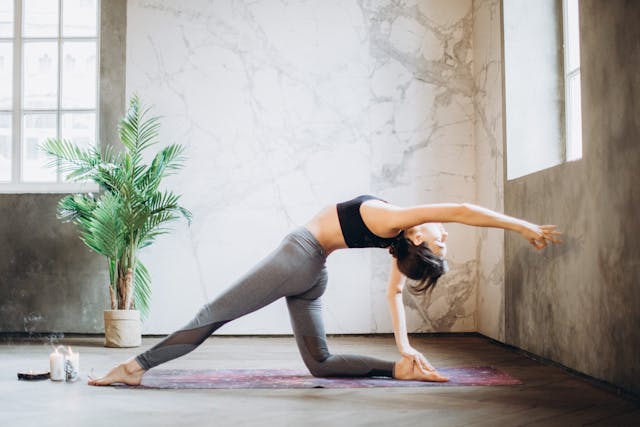
Pressure builds fast after demanding weeks at work or home. High stress strains the nervous system and disrupts daily rhythm. Muscles tighten, thoughts race, and mental fatigue clouds focus. Emotional overload often leads to burnout signals, such as irritability and poor sleep. As a matter of fact, chronic stress disrupts digestion and weakens the immune response. Yoga offers a practical path toward creating a personal reset ritual that restores balance. Steady breathing lowers cortisol and steadies heart rate. Gentle poses release stored tension and calm the mind. For this reason, intentional recovery supports long-term health. Slowing down before pushing forward strengthens resilience and improves clarity.
The Power of Yoga in Restoring Balance
Yoga reconnects breath, attention, and mindful movement, helping your body shift away from constant tension. Slow stretching loosens tight hips, shoulders, and back muscles, while steady breathing calms racing thoughts and sharpens awareness. However, intense workouts can increase strain during stressful weeks, whereas gentle yoga creates relief without added pressure. Mindful transitions between poses build patience
and control. Each inhale expands the chest and improves oxygen flow; each exhale releases frustration. Over time, this rhythm strengthens emotional stability. Short, regular sessions still deliver results by building resilience through repetition and intention. Yoga supports recovery after long workdays or personal challenges, and balanced practice enhances both flexibility and focus. With steady effort, you notice
calmer reactions and clearer thinking.
emotional stability.
Creating a Personal Reset Ritual That Works for You
A reset ritual should fit your schedule and energy level. Choose a consistent time that supports focus and quiet. Early morning works well for many people. Evening sessions help release tension before sleep. With this in mind, keep your routine simple and realistic. Select restorative or yin yoga for deep relaxation. Add journaling to process thoughts after practice. Another key point is to track your mood to measure progress. A
reset ritual builds structure during chaotic periods. Keep sessions between fifteen and thirty minutes. Designate one space at home for practice. Return to that space daily to reinforce the habit. Consistency strengthens the calming response. Over time, your body associates this routine with recovery and emotional balance.
Involving Pets in Your Reset Ritual
Spending intentional time with your pet can deepen your yoga reset practice. Animals offer steady companionship during high-stress periods. It provides comfort during major life changes, such as relocating with your companions while planning a stress-free move with pets. Their calm presence often helps slow your breathing and ease racing thoughts. Many pets respond quickly to changes in your mood. Invite your pet to rest near your mat while you practice gentle poses. Soft petting can support slower breaths and a relaxed heart rate. Nevertheless, guide them kindly so they do not distract your focus. A short walk before yoga helps release tension for both of you. This shared routine builds connection and emotional balance.

and shared calm during stressful times.
Designing a Reset Space That Encourages Stillness
Your surroundings influence how quickly you relax. Clear unnecessary items from your practice area—a clean floor invites focus and ease. Soft lighting reduces stimulation and eye strain. Use warm lamps or candles for comfort. Keep blankets and bolsters nearby for longer holds. Gentle music can mask background noise, while complete silence may deepen awareness. Choose one approach and maintain consistency. Fresh air improves breathing quality and alertness. Natural light boosts mood and energy during the day. This setup shapes a personal ritual that feels inviting and steady. Your body relaxes faster in a familiar space, using environmental cues for rest and renewal.
Yoga Poses That Support Emotional Release
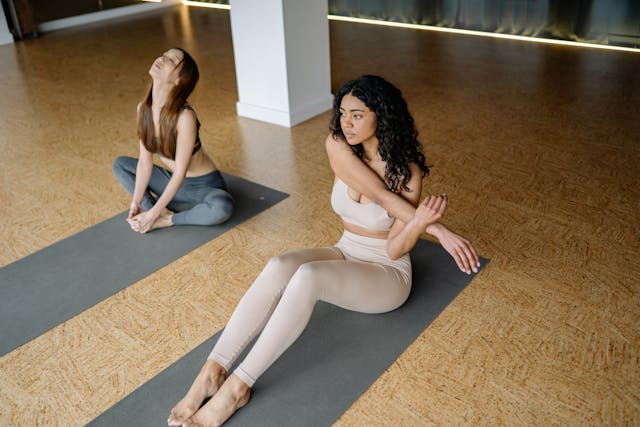
Specific poses help your body release built-up strain. Start with Child’s Pose to ground your thoughts. Slow breaths expand the back and calm the heartbeat. Hence, your nervous system shifts toward rest. Move into a gentle yoga pose, “Forward Fold” to stretch tight legs. Let your head hang heavy and relax your jaw. Putting legs up the wall reduces swelling and improves circulation. Similarly, a Reclining Twist loosens the spine and massages the abdomen. Hold each pose for several steady breaths. Focus on slow nasal breathing throughout. Finish with Savasana to integrate the practice. Your muscles soften, and your mind grows quieter. Regular repetition trains your body to release tension instead of storing it.
Breathwork Techniques to Reset the Nervous System
Breath anchors your reset practice and sharpens awareness. Sit upright and lengthen your spine. Begin with box breathing to steady your focus. Inhale for four counts, hold, then exhale for four. Above all, maintain comfort and control. This rhythm lowers heart rate and reduces anxiety. Try alternate nostril breathing to balance energy levels.
Use 4-7-8 breathing if sleep feels difficult. Slow breathing signals safety to your brain. Practice for five minutes before or after yoga. Notice how tension fades from your shoulders and neck. Consistent breathwork strengthens, creating a personal reset ritual that supports long-term stability. Steady breathing improves patience and decision-making. Over time, you respond to stress with clarity instead of urgency.
Creating Consistency After Stressful Periods
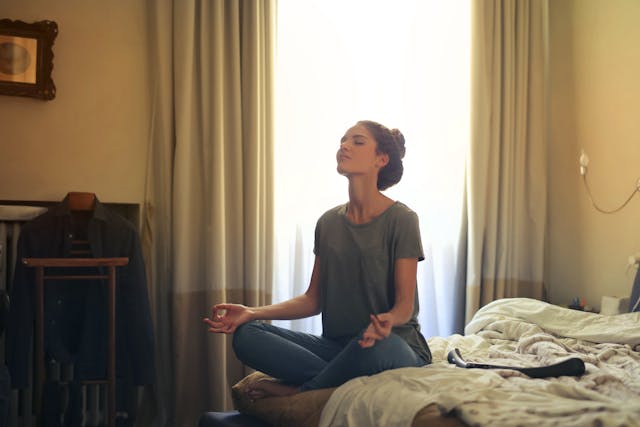
Consistency turns short sessions into lasting change. Schedule your reset ritual at the same time each week. Attach it to an existing habit, such as morning coffee. In order to build momentum, start with manageable goals. Track your mood in a simple notebook. Small notes reveal patterns over time. Then again, adjust your schedule if energy levels shift. Flexibility keeps the habit sustainable. Celebrate progress after each week of
practice. Steady effort builds confidence and emotional control. Your body begins to expect movement and breathwork. Over time, stress loses its grip faster. Regular practice supports balance even during demanding seasons.
Long-Term Benefits of a Personal Reset Ritual
A steady reset ritual strengthens both body and mind. Regular yoga improves flexibility and posture. Deep breathing sharpens focus and steadies reactions. Consistent practice improves sleep quality over time. Emotional regulation grows stronger with repetition. You respond thoughtfully instead of reacting quickly. In short, small daily actions create lasting change. Reduced anxiety supports healthier relationships and
work performance. Better circulation boosts overall energy levels. Balanced hormones promote stable moods and clearer thinking. You can rebuild resilience against future stress. Your nervous system adapts to calm responses. Long-term commitment transforms temporary relief into sustainable well-being. You gain strength, clarity, and steadiness through simple daily effort.
Reclaim Balance of Your Body and Mind
Creating a personal reset ritual with yoga restores balance after demanding periods. Consistent movement and breath calm your nervous system and clear mental tension. Small daily actions build resilience and emotional strength. Stay committed to your practice, and you will handle future stress with greater clarity and control.
Author’s Bio:
Mark Johnson is a wellness writer who focuses on practical stress management strategies and yoga-based recovery techniques. He helps readers build sustainable habits that support mental clarity and physical balance. His work promotes long-term health and resilience.