

Life rarely moves in straight lines. One week feels predictable; the next, chaos sets in. When daily routines shift, your self-care and discipline often slide first. Staying grounded requires adaptability, not perfection. Learning to stay consistent with your practice—whether it is yoga, journaling, or mindful exercise—means finding stability inside the movement. The goal is to maintain a connection even when timing or structure changes.
The Value of Discipline in Every Season
Discipline anchors you when routines change. It transforms practice from something optional into something essential. Even short daily actions prove your dedication and strengthen mental resilience. While there are countless strategies to maintain stability, the methods explored here stand out for their practicality and proven effectiveness. They focus on simple habits anyone can apply, no matter how busy life becomes. By relying on discipline rather than ideal conditions, you build consistency that endures through every season of change.
1. Make Your Practice Accessible at Home
The foundation of consistency is accessibility. When routines collapse, convenience keeps you engaged. Creating movement at home removes the friction that often leads to skipped sessions. You don’t need a full studio or gym; a corner of your living room can become a mini retreat.
Lay out a yoga mat the night before, or keep resistance bands beside your desk. Even ten minutes of stretching or mindful breathing helps maintain continuity. The visual cue of seeing your setup ready encourages spontaneous participation. For instance, if a morning commute suddenly shortens your free time, a quick sunrise session before breakfast ensures your body still moves and your mind remains centered.
Practicing at home transforms inconsistency into opportunity. You redefine what practice means—it becomes something you carry with you, not something dependent on external schedules.

2. Lean on Support During Transitions
Change becomes easier when shared. When responsibilities expand or you relocate, external help can prevent burnout. For example, if a move interrupts your regular training routine, professional movers can lighten the load. Jump Streets Movers represents the kind of service that frees your time and focus, allowing you to resume your priorities faster.
Support can also come from digital communities or accountability partners. Share your schedule with a friend who practices alongside you virtually. When someone expects you to show up, commitment strengthens. During unpredictable phases, relying on others doesn’t weaken your independence—it reinforces discipline.
Flexibility grows stronger when backed by support. You protect your energy for what matters most: staying in motion even when everything else feels unstable.
3. Commit to Sustainable Progress
Consistency thrives when practice fits your current capacity. Forcing an old schedule on a new life phase leads to frustration. Instead, focus on sustainable personal growth—progress that respects energy, time, and balance.
On busy days, shorten your sessions instead of skipping them. A musician can rehearse scales instead of a full piece; a writer might free-write for ten minutes instead of an hour. You stay connected without overextending. The point is to nurture progress that can last, not push toward exhaustion.
Sustainability also means reflection. Ask yourself what feels fulfilling now versus last month. Growth is continuous, but sustainable routines evolve with you. This mindset transforms consistency from strict repetition into a long-term commitment to self-improvement.
4. Redefine Routine With Small, Consistent Actions
When time feels limited, shrinking the goal preserves the habit. Instead of chasing long sessions, focus on small wins. Five minutes daily beats one hour once a week. Over time, these short bursts compound into progress.
To stay consistent with your practice, link it with established habits. Stretch after brushing your teeth or write a few sentences before checking your phone. When actions attach to existing routines, they become automatic. For example, a dancer might visualize choreography during lunch breaks, or a teacher may practice breathing
exercises between classes.
This technique turns inconsistency into continuity. You no longer depend on the perfect setting or schedule—your practice adapts to you. By focusing on smaller moments, you sustain momentum through every season of change.
5. Treat Recovery as Part of the Process
Many lose momentum because they equate rest with failure. In truth, recovery keeps discipline alive. Whether your practice is physical, creative, or mental, fatigue undermines quality. Recovery matters because it resets motivation and prevents burnout.
If you feel drained after long workdays, substitute intense activity with quiet mindfulness or stretching. Rest can mean soaking your feet, meditating, or simply sleeping well. The body and mind integrate effort during downtime. For example, athletes schedule rest days to repair muscles; professionals use breaks to restore focus. The same logic applies to any personal practice.
Viewing recovery as part of the process encourages balance instead of guilt. You learn that stepping back often allows stronger returns.
Bringing It All Together
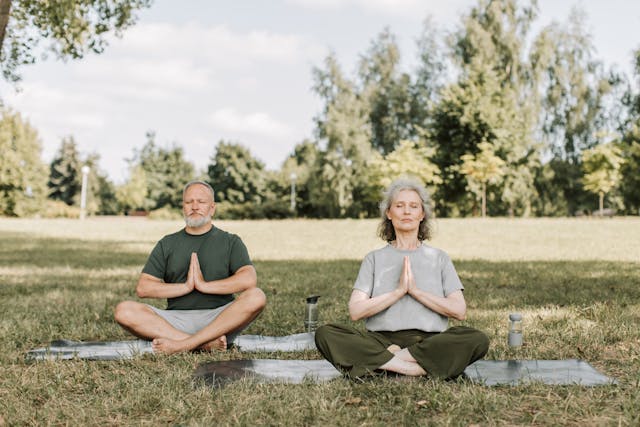
By now, the five approaches reveal one truth: consistency doesn’t rely on rigid schedules but on adaptable habits. Whether you practice at home, rely on support, or build, stay consistent with your practice; each adjustment helps your commitment survive busy periods. The key is treating your practice as part of your identity rather than another task on a list.
When you adapt with intention and allow flexibility to guide your structure, progress continues even through unpredictable phases. This balance between discipline and adaptability transforms temporary challenges into long-term stability. Over time, these steady adjustments strengthen self-trust—you begin to see that dedication is less about perfect timing and more about showing up with purpose, even on imperfect days.
Why Flexibility Protects Consistency
Stability doesn’t mean rigidity—it means resilience. The ability to stay consistent with your practice depends on how you adapt, not how tightly you cling to old routines. Home setups, supportive help, mindful recovery, and realistic goals all reinforce that balance. Life will always shift, but your commitment can remain steady. Consistency built on flexibility lasts longer because it fits real life rather than resisting it.
Author’s Bio
Alex Turner is a lifestyle and wellness writer specializing in personal growth, balance, and mindful routines. With years of experience exploring how habits shape productivity and emotional well-being, Alex helps readers find practical ways to stay grounded through life’s transitions. His work focuses on achievable consistency—turning small daily actions into lasting results.