
Families today are juggling schedules, screens, school, and work—often at the cost of their own well-being. Family self-care isn’t about grand gestures or expensive retreats; it’s about steady, shared habits that restore energy, reduce friction, and help everyone feel supported. When families invest together, the results compound into calmer homes, stronger relationships, and healthier routines.
Quick Takeaways
- Shared routines matter more than perfect routines; consistency beats intensity.
- Reducing daily friction creates space for emotional and physical care.
- Small investments of time often outperform costly solutions.
- Tools and practices that work for all ages keep momentum going.
Why Family Self-Care Works Better Together
When self-care is framed as an individual task, it often slips to the bottom of the list. Families that approach care as a collective practice benefit from mutual accountability and shared rewards. Kids learn by example, adults feel less isolated, and routines become easier to maintain. Over time, the household develops a rhythm that supports rest, communication, and resilience.
Digitizing Paper Clutter to Reduce Daily Stress
Clutter quietly taxes attention and patience, especially in busy households. One practical step is digitizing essential paperwork—medical records, school forms, warranties—so families spend less time searching and more time living. Saving files as PDFs keeps documents consistent across devices and makes them easy to store securely. When updates are needed, a browser-based PDF editing tool lets families revise forms without converting files or reprinting paperwork, which saves time and reduces hassle.
Movement and Mindfulness as a Shared Practice
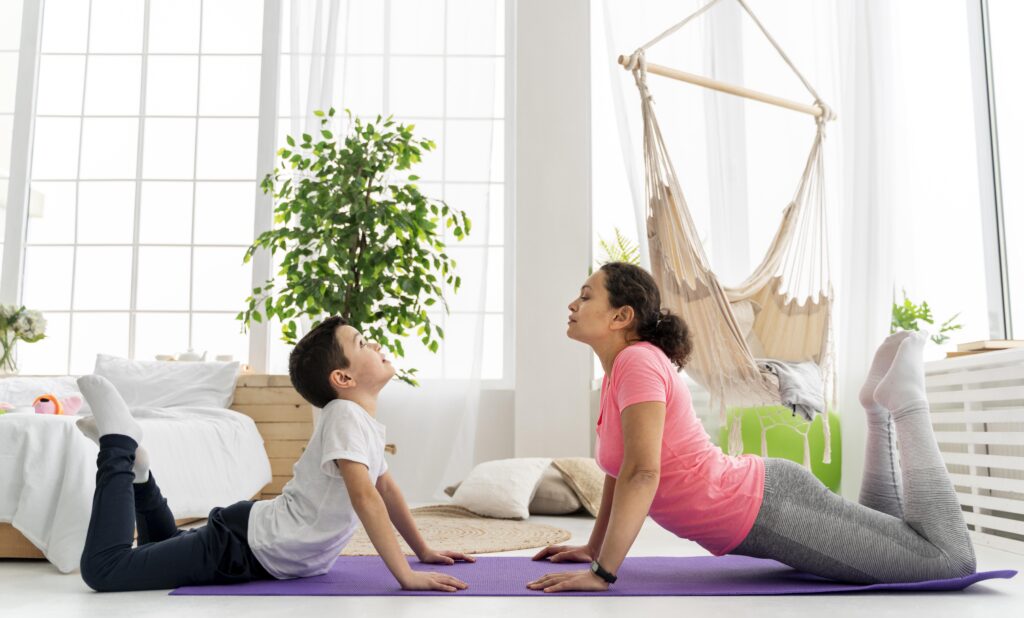
Physical activity doesn’t have to mean rigid workouts or competitive sports. Families often thrive with gentle, inclusive movement that emphasizes awareness and connection. Yoga offers a flexible option that adapts to different ages and abilities while promoting calm and balance. Studio 108 provides classes designed to encourage relaxation, steady breathing, and emotional grounding for beginners and experienced practitioners alike. Over time, practicing together helps families slow down, reconnect, and build sustainable habits that
support both body and mind.
Building Sustainable Habits
This table helps households identify options that align with how they actually live.
| Focus Area | Time Commitment | Cost Range | Best For |
| Digital organization | Low, upfront | Minimal | Reducing daily friction |
| Shared movement | Moderate, recurring | Low to moderate | Physical and emotional balance |
| Family meals | Moderate | Variable | Connection and nutrition |
| Outdoor time | Flexible | Low | Stress relief and bonding |
Family Self-Care FAQs
Families often reach the same questions when deciding where to invest their energy and budget.
How do we choose a self-care habit everyone will stick with?
Start by identifying what causes the most friction or fatigue at home. Pick one solution that addresses that pain point directly rather than adding something new. Commitment improves when the benefit is felt quickly by everyone.
Is it better to invest time or money in family self-care?
Time usually delivers the highest return, especially for shared routines. Small financial tools or classes can support consistency, but they work best when paired with regular participation. Balance matters more than scale.
What if our schedules rarely align?
Look for flexible practices that don’t require everyone at once. Even overlapping participation—like shared digital systems or rotating movement sessions—builds cohesion. The goal is continuity, not perfect attendance.
Can self-care really reduce family conflict?
Yes, indirectly. Lower stress and clearer routines reduce reactive moments and misunderstandings. Over time, families communicate more calmly when basic needs are met.
How long before we notice results?
Some benefits, like less clutter or smoother mornings, appear within days. Deeper gains—emotional balance and resilience—typically emerge over weeks of consistency. Patience and repetition are key.
Conclusion
Family self-care works when it’s practical, shared, and sustainable. By simplifying daily systems and choosing inclusive practices, households create space for calm and connection. The payoff isn’t just less stress today—it’s a healthier rhythm that supports everyone over the long term. Small, thoughtful investments can quietly transform how a family feels at home.