
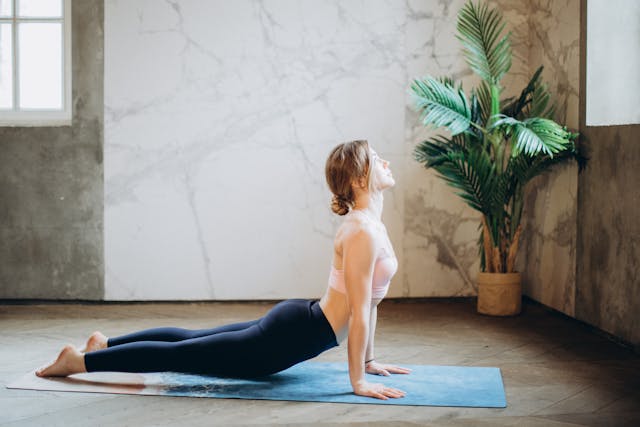
Consistency shapes growth in both body and mind. Studio classes bring accountability, but real progress happens in daily routines. When you create space for mindful activity at home, you make your practice part of everyday life instead of waiting for scheduled sessions. If you want to keep your practice going between classes, you need tools that support motivation, focus, and flexibility.
Start With Gentle Stretches
Warmups prepare your body for safe movement. Begin each session with gentle stretches that loosen muscles and improve circulation. Stretching shoulders, hips, and spine helps prevent injuries while reducing stiffness from daily sitting.
A short sequence at the start creates a transition from daily tasks to focused practice. Even if you only have five minutes, stretching sets the tone. Over time, you’ll notice improved flexibility and fewer aches during more demanding sessions.
Create a Dedicated Practice Area
Having a consistent practice spot signals to your mind that it’s time to move. It doesn’t need to be large; a corner of a room works fine. What matters is keeping it clear and calm.
Place a yoga mat, blocks, or cushions nearby so everything is ready when you need it. The easier it is to set up, the less likely you are to skip practice. Add simple touches, such as soft lighting or a plant, to make the space welcoming.
Creating a Distraction-Free Space for Better Workouts
Your training space should feel comfortable and distraction-free. When workouts compete with TV noise, shared rooms, or constant interruptions, it’s easy to lose focus. Choosing a dedicated spot like a spare bedroom, garage, or balcony can help create consistency and restore motivation. A fresh environment often brings new energy and makes routines feel less repetitive.
At some point, you may also consider relocating your home gym to another part of the house or into a new home altogether. In that case, it’s important to think about safety before moving heavy equipment. Cleaning everything up prevents dirt from spreading into your new space. Disassembling machines makes transport easier and reduces the risk of damage. And when it comes time to lift, using proper techniques—or getting professional help—can protect both your equipment and your back.
Follow Online Classes for Guidance
Many people struggle with accountability at home. Online classes bridge that gap. Live sessions give you the structure of a studio without leaving your house. Pre-recorded videos allow flexibility when schedules shift.
Choose instructors who match your skill level and goals. Beginners benefit from slow, detailed instruction, while experienced students may enjoy dynamic flows. Having a teacher guide you, even virtually, removes the guesswork and keeps your progress steady.
Set Small, Consistent Goals
Large goals can overwhelm you and lead to quitting. Instead, commit to short, manageable sessions. Ten or fifteen minutes daily is enough to create momentum. Once practice becomes part of your routine, extending sessions feels natural.
Track your progress with weekly intentions. One week might focus on balance poses, another on breath control. Small, specific goals give purpose to each session while reducing pressure.
Use the Power of Restorative Yoga
Balance is just as important as challenge. Adding restorative yoga into your week allows the body to rest deeply while still practicing. Supported poses with long holds encourage healing and release tension.
These sessions don’t require high energy, making them perfect before bed or during stressful times. By mixing restorative work with stronger flows, you maintain a healthy balance between effort and recovery.
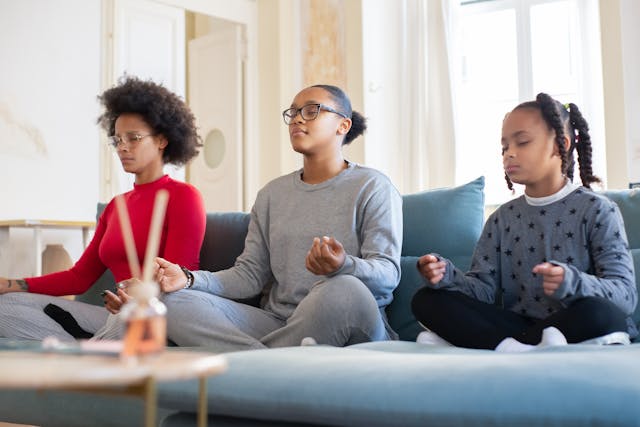
easing stress, and supporting both body and mind.
Explore Breathwork and Meditation
Movement alone is powerful, but breath adds depth. Practicing breath control sharpens focus and brings calm. Techniques such as equal breathing or alternate nostril breathing are simple yet effective.
Meditation complements physical practice by training your attention. Just five minutes at the end of a session helps settle the mind. Combined, breathwork and meditation create a full experience that benefits both body and mental health.
Focus on Yoga for Stress Relief
Daily tension can build up in the body and mind. Practicing yoga for stress provides tools to manage it. Forward folds, twists, and gentle backbends help release tight muscles while calming the nervous system.
When stress feels heavy, a short practice can reset your mood. Pairing movement with slow breathing provides instant relief. Over time, this habit makes you more resilient to everyday pressures.
Keep Energy High With Music and Props
Music changes the feel of a session. Calm tracks work well for slow stretches, while upbeat songs add energy to flow sequences. Experiment with different playlists to find what motivates you most.
Props also add variety. A strap helps deepen stretches, blocks improve balance, and bolsters support relaxation. These tools make poses safer and more accessible, allowing you to explore without strain.
Use Journaling to Track Progress
A journal builds accountability and helps you reflect. Write down what you practiced, how long you spent, and how you felt. Over time, patterns appear. You’ll see which practices boost your energy and which ones drain it.
Journaling also keeps you motivated during slow periods. Looking back at your growth proves that your effort matters. Even small improvements feel meaningful when written down.

and help you keep your practice going between classes.
Involve Family or Roommates
Sharing practice can strengthen relationships. Invite a partner, child, or roommate to join you for a session. Even simple stretches together create a connection.
Practicing with others also keeps you committed. If someone expects you to show up, you’re less likely to skip. These shared moments add joy and turn movement into a social experience instead of a solo task.
Stay Steady and Keep Your Practice Going Between Classes
At-home practice doesn’t need to look perfect. It needs to feel consistent. By using small goals, creating a welcoming space, and exploring different styles, you can build a routine that lasts.
Progress happens when you stay steady and flexible in your approach. Balance strong sessions with restorative ones, mix in breathwork, and let stress relief be part of the process. When you stay committed, you’ll find strength, calm, and growth each week. The most important step is to show up and keep your practice going between classes.