
30 seconds summary
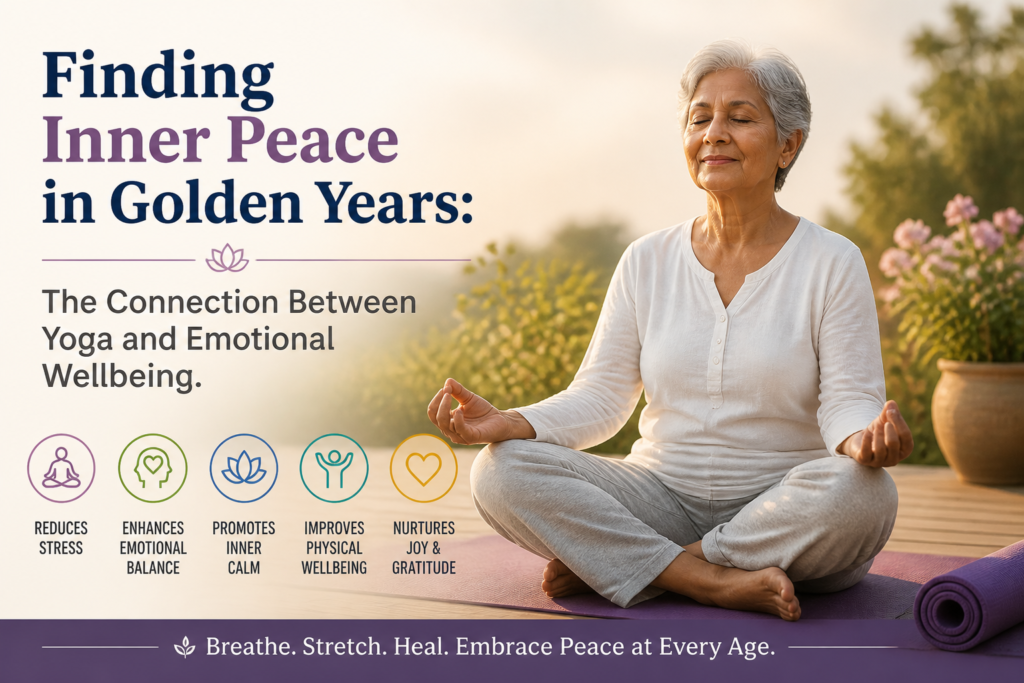
- As we age, maintaining emotional well-being becomes as important as physical health. Yoga offers a holistic approach to inner peace in the golden years by combining gentle movement, breathwork, and meditation. It reduces stress, enhances self-awareness, and fosters emotional resilience.
- Practices like mindfulness and loving-kindness meditation help seniors manage anxiety, cultivate self-compassion, and stay socially connected.
- With adaptations such as chair yoga or support from home care, seniors can safely integrate yoga into their daily routines, promoting calm, joy, and lasting fulfillment.
As we enter the later stages of life, the pursuit of emotional well-being becomes increasingly important. Aging often brings a mixture of joy, reflection, and challenges. While the golden years can offer opportunities for personal growth and fulfillment, they may also introduce feelings of loneliness, stress, or anxiety. Maintaining mental and emotional health is as crucial as physical health during this period. One practice that has shown profound benefits for seniors is yoga. By integrating physical movement, mindfulness, and breathwork, yoga serves as a powerful tool to promote inner peace and emotional stability.
The Importance of Emotional Well-being in Later Life
Emotional well-being encompasses a person’s overall sense of happiness, resilience, and contentment. In older adults, emotional health can be influenced by a variety of factors, including retirement, changes in family dynamics, physical health challenges, or social isolation. Studies consistently highlight the link between emotional well-being and longevity, suggesting that those who maintain a positive outlook and manage stress effectively tend to enjoy better health outcomes. Emotional well-being is not merely the absence of negative emotions; it is the ability to experience joy, connect with others, and adapt to life’s inevitable changes with grace and resilience.
Maintaining emotional balance in later life is essential for sustaining relationships, engaging in meaningful activities, and preserving independence. Many older adults seek ways to nurture this balance, often turning to activities that promote mindfulness, reduce stress, and enhance self-awareness. Yoga, with its combination of movement, meditation, and breath regulation, has emerged as a holistic approach to achieve these goals. Beyond the physical benefits, yoga fosters mental clarity and emotional calm that can enrich the golden years.
Yoga as a Path to Inner Peace
Yoga is a practice rooted in ancient traditions that emphasizes harmony between body, mind, and spirit. It incorporates physical postures (asanas), breathing exercises (pranayama), and meditation (dhyana) to cultivate overall well-being. For older adults, yoga can be adapted to accommodate mobility limitations, making it an inclusive practice that supports both physical and emotional health.
Through regular practice, yoga helps individuals develop mindfulness, a heightened awareness of the present moment without judgment. This mindfulness is particularly valuable for emotional well-being, as it allows seniors to process emotions constructively, reduce rumination, and release tension. Simple breathing exercises, such as deep diaphragmatic breathing, can calm the nervous system, lower stress hormones, and reduce feelings of anxiety or irritability. In this way, yoga provides tools to navigate the emotional challenges that often accompany aging.
The Role of Physical Movement in Emotional Stability
Physical activity is closely linked to emotional health. Movement stimulates the release of endorphins, the body’s natural “feel-good” chemicals, which can combat depression and enhance mood. Yoga, specifically, offers gentle stretching and strengthening exercises that improve flexibility, balance, and coordination. For older adults, this can reduce the risk of falls, enhance mobility, and foster a sense of autonomy, all of which contribute to emotional security.
Moreover, yoga encourages a mind-body connection that helps seniors recognize the interplay between physical sensations and emotional states. For example, tension in the shoulders or back may reflect underlying stress or worry. By addressing these physical cues through yoga, individuals can release both bodily and emotional tension. This holistic approach not only supports physical health but also nurtures a deeper sense of calm and contentment.
Mindfulness and Meditation: Anchors for Emotional Well-being
Meditation is a core component of yoga that directly supports emotional well-being. Through meditation, seniors learn to observe thoughts and feelings without attachment, reducing the impact of negative thought patterns. Practices such as guided imagery, loving-kindness meditation, and breath-focused meditation can cultivate compassion, gratitude, and resilience. These qualities are essential for managing the emotional complexities of aging, from coping with loss to navigating new life transitions.
Mindfulness and meditation also enhance self-awareness, allowing older adults to recognize their emotional triggers and respond more skillfully. For instance, instead of reacting with frustration to physical limitations or unexpected challenges, mindfulness encourages acceptance and adaptive coping. Over time, these practices contribute to a sustained sense of inner peace and emotional equilibrium.
Social Connections Through Yoga Communities
Yoga often extends beyond individual practice, offering opportunities for social interaction and community engagement. Group classes, senior yoga clubs, and online sessions can foster meaningful connections, reducing feelings of loneliness and isolation. Social interaction is a critical component of emotional well-being, and participating in yoga communities allows seniors to share experiences, provide mutual support, and form friendships grounded in shared values of health and mindfulness.
Even when mobility is limited, seniors may receive home care assistance that enables them to participate in yoga or mindfulness sessions from the comfort of their homes. Caregivers can help create a supportive environment, ensure safety, and encourage consistency in practice. This integration of professional support and personal practice highlights the versatility of yoga as a tool for emotional enrichment in the golden years.
Integrating Yoga Into Daily Life
Incorporating yoga into daily routines does not require extensive time or advanced skill. Short sessions, even 10–15 minutes per day, can provide tangible benefits for emotional well-being. Morning stretches, evening meditation, or guided breathing exercises can serve as anchors of calm on a busy or unpredictable day. Seniors can customize practices to their comfort level, choosing gentle poses and simple breathing techniques that suit their physical abilities.
Creating a dedicated space for yoga practice can further enhance the experience. A quiet corner with minimal distractions, soft lighting, and calming music can foster a meditative environment. Consistency is key; regular practice builds familiarity, reinforces mindfulness skills, and strengthens emotional resilience over time.
Addressing Common Barriers to Practice
While yoga offers numerous benefits, seniors may face obstacles such as physical limitations, chronic pain, or a lack of motivation. These barriers can be mitigated with adaptive techniques, professional guidance, and supportive resources. Chair yoga, for example, provides modified poses that can be performed while seated, making yoga accessible for those with mobility challenges. Breathwork and meditation can also be practiced independently of physical ability, ensuring that all seniors can engage in emotional wellness practices.
Home care assistance can play a pivotal role in overcoming these barriers. Caregivers trained in supporting physical activity can help seniors maintain proper posture, guide exercises safely, and provide encouragement. This support not only facilitates physical participation but also reinforces emotional engagement, creating a holistic approach to wellbeing.
Yoga and Stress Reduction
Chronic stress is a common concern for older adults, often stemming from health issues, financial pressures, or caregiving responsibilities. Stress can exacerbate physical ailments, weaken the immune system, and diminish emotional well-being. Yoga offers practical strategies to counteract these effects. Through mindful breathing, gentle stretching, and meditative focus, yoga reduces cortisol levels, lowers blood pressure, and promotes a sense of calm.
In addition, yoga encourages perspective shifts that help seniors navigate stress more effectively. By fostering patience, acceptance, and self-compassion, yoga equips individuals with coping mechanisms that extend beyond the mat. This ability to manage stress contributes directly to the experience of inner peace and emotional balance.
Enhancing Self-Compassion and Emotional Resilience
Aging can bring reflection on past choices, regrets, or unfulfilled aspirations. Yoga supports the cultivation of self-compassion, helping seniors treat themselves with kindness and understanding. Practices such as loving-kindness meditation encourage forgiveness, gratitude, and positive self-talk, which strengthen emotional resilience.
Emotional resilience, the capacity to recover from setbacks and adapt to change, is critical in later life. Yoga reinforces this resilience by promoting flexibility, both physically and mentally. Through repeated practice, seniors learn that challenges can be met with grace, tension can be released, and emotions can be navigated with awareness and acceptance.
Spiritual Dimensions of Yoga in Later Life
For many, yoga extends beyond physical and emotional benefits, offering a sense of spiritual connection. Spirituality in older age often involves reflecting on purpose, meaning, and interconnectedness. Yoga’s meditative practices encourage introspection and self-discovery, helping seniors find a sense of harmony and fulfillment. This spiritual dimension complements emotional well-being, reinforcing inner peace and contentment.
Whether through silent meditation, chanting, or mindful movement, yoga offers seniors a pathway to explore the deeper aspects of life. This connection to something greater than oneself fosters serenity, gratitude, and a lasting sense of purpose—key elements of emotional well-being in the golden years.
Practical Tips for Starting a Yoga Practice
- Start Small: Begin with short sessions, gradually increasing duration as comfort and confidence grow.
- Seek Guidance: Attend classes taught by instructors experienced in senior yoga, or access online tutorials tailored for older adults.
- Adapt Poses: Use props, chairs, or cushions to modify poses for safety and comfort.
- Focus on Breath: Prioritize breathing exercises to reduce stress and promote relaxation.
- Integrate Meditation: Include guided or silent meditation to cultivate mindfulness and emotional clarity.
- Involve Support Systems: If needed, enlist home care assistance to ensure safe, consistent practice.
- Stay Consistent: Regular practice, even if brief, is more beneficial than sporadic longer sessions.
Conclusion
The golden years are a time of reflection, growth, and opportunity. While aging brings challenges, it also offers the chance to cultivate inner peace and emotional well-being. Yoga, with its integration of movement, mindfulness, and meditation, provides seniors with tools to manage stress, enhance self-awareness, and foster emotional resilience. By embracing yoga, older adults can nurture a sense of calm, joy, and purpose, transforming their later years into a period of fulfillment and serenity. Whether practiced individually, in groups, or with home care assistance, yoga empowers seniors to maintain emotional balance and experience the profound peace that comes from harmonizing body, mind, and spirit.