
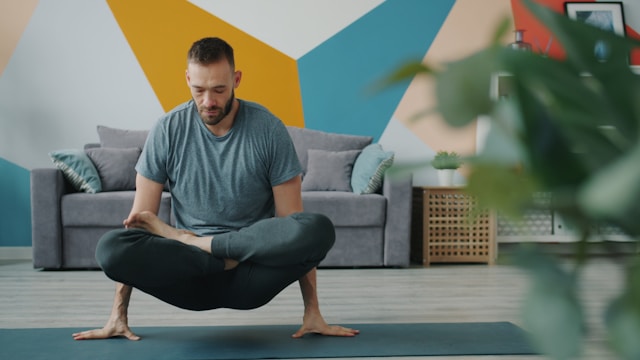
Moving is often listed among the most stressful life experiences, alongside divorce and job loss. Whether you are relocating to a new home, a new city, or even a new country, the process disrupts routines, relationships, and your sense of stability. You are required to make countless decisions while operating under time pressure, emotional uncertainty, and physical exhaustion. For many people, this prolonged state of tension leaves the nervous system overwhelmed. During periods like this, support systems matter. Some people turn to a trusted yoga studio not only for physical movement but for familiarity, grounding, and emotional regulation. Yoga
offers something uniquely suited to transitions: a way to stabilize the body and mind while everything else is changing. Rather than eliminating stress, yoga helps reduce stress, and it teaches you how to meet stress with awareness, resilience, and adaptability.
The Biology of Moving Stress: What Happens to Your Nervous System
Stress during a move is not just psychological; it is deeply physiological. Uncertainty triggers the brain’s threat detection systems, activating the sympathetic nervous system. This fight-or-flight response increases cortisol levels, elevates heart rate, and prioritizes short-term survival over long-term balance.
Unlike acute stress, moving often creates chronic activation. Weeks or months of planning, packing, financial pressure, and logistical challenges keep the nervous system on high alert. Sleep becomes fragmented, digestion suffers, and emotional regulation weakens. Over time, this constant activation can lead to burnout, anxiety, and a sense of disconnection from the body.
Understanding this biological response is essential because effective stress relief must address the nervous system itself rather than simply distracting the mind.

How Yoga Regulates Stress at the Nervous-System Level
Yoga works directly with the nervous system through breath, movement, and focused awareness. Slow, intentional postures combined with conscious breathing stimulate the parasympathetic response, often referred to as the “rest and digest” state. This shift allows the body to recover from prolonged stress.
Research and lived experience consistently show that yoga helps reduce stress by lowering cortisol levels, improving heart rate variability, and restoring a sense of internal safety. During a major move, this regulation becomes especially valuable. Yoga does not remove external challenges, but it changes how your body responds to them, reducing reactivity and improving clarity. Even short sessions can interrupt stress cycles, helping the nervous system recalibrate amid ongoing uncertainty.
Mind–Body Awareness During Chaos
Yoga offers a practical way to stay grounded during a major life move because it strengthens your ability to notice what your body needs in real time. Stress often directs your thoughts toward deadlines, lists, and everything that still feels unfinished. When that happens, you lose the sense of the present moment, and your body carries the pressure without you realizing it.
Mindful breathing techniques, mindful packing, progressive muscle relaxation, and yoga for moving stress mirror many mindfulness techniques for reducing moving stress, which help you slow down your thoughts and check in with what is actually happening. When you use these practices during a demanding transition, they support clearer emotional control and steadier decision-making. They also make the whole process smoother when tasks begin to pile up, and your focus drifts.
As you grow more aware of tension the moment it appears, you respond before it spreads through your body. You recognize where you hold stress and release it with intention. This skill becomes a reliable support during any chaotic phase of a move, giving you the stability you need to handle challenges without losing your center.
Emotional Processing: Letting Go of the Old While Preparing for the New
Moving often involves grief, even when the change is positive. Leaving behind familiar spaces, routines, and identities can bring unexpected emotional waves. At the same time, anticipation and fear about the future coexist, creating emotional complexity.
Yoga creates a container for emotional processing without forcing resolution. Through slow movement and breath, emotions can surface and pass without being suppressed or overwhelming. That is one reason yoga helps reduce stress during life transitions that involve loss as well as growth.
Rather than demanding emotional clarity, yoga allows space for uncertainty. Over time, this builds emotional resilience and self-trust.
Physical Tension Caused by Moving and How Yoga Addresses It
The physical demands of moving place a significant strain on the body. Packing, lifting, driving, and sleeping in unfamiliar environments often lead to stiffness and pain. Common tension areas include:
- Lower back and hips from lifting and prolonged sitting
- Shoulders and neck from carrying and stress-related holding
- Jaw and facial muscles from unconscious clenching
- Feet and legs from long days of standing or walking
Yoga supports recovery by restoring mobility, improving circulation, and encouraging relaxation. Gentle stretching and supported poses are particularly effective during moves, as they nourish the body without adding additional strain. Physical relief often leads to mental relief, reinforcing the mind–body connection.

Maintaining a Practice When Life Is Unsettled
One of the biggest challenges during a move is maintaining consistency. Schedules change daily, spaces are unfamiliar, and energy levels fluctuate. That is where reframing expectations becomes essential.
Yoga during transitions does not need to look like a full-length class. Even ten minutes of breathwork or gentle movement can be meaningful. Learning how to stay consistent with your practice when schedule changes allows yoga to serve as support rather than another obligation.
Consistency, in this context, means showing up in small, sustainable ways that respect your current capacity.
Yoga as a Portable Tool During Major Life Changes
Unlike many wellness practices, yoga is highly portable. It requires minimal equipment and can be adapted to almost any environment. That makes it especially useful during moves, when access to familiar resources may be limited.
Simple practices such as grounding breath, seated twists, or gentle forward folds can be done in temporary housing, hotel rooms, or even outdoors. Over time, yoga helps reduce stress by reinforcing a sense of inner stability that travels with you, regardless of location.
This portability turns yoga into a personal anchor during periods of external change.
Long-Term Resilience: Why Yoga Matters Beyond the Move
Stress does not disappear once the boxes are unpacked. The integration phase of a move often brings new challenges, including unfamiliar routines, social adjustments, and identity shifts. Yoga supports this phase by fostering adaptability and self-regulation.
In a world characterized by constant change, yoga is essential for modern stress relief because it builds long-term resilience rather than offering temporary escape. It strengthens the capacity to meet uncertainty with steadiness, which remains valuable long after the move is complete.
Yoga Helps Reduce Stress – So Use It!
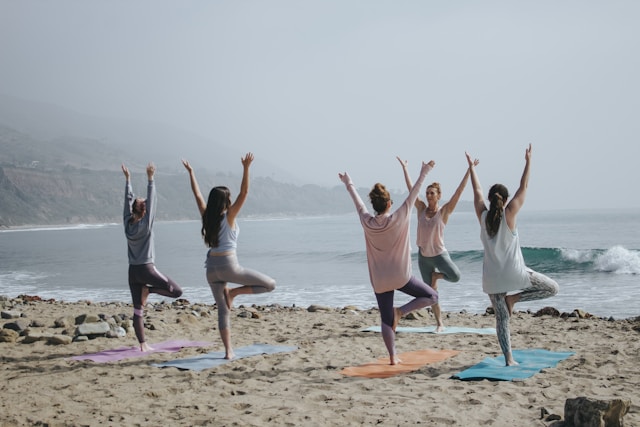
Major life moves challenge both the body and mind, often pushing the nervous system beyond its comfort zone. Yoga offers a practical, accessible way to restore balance during these periods. By regulating stress responses, supporting emotional processing, and relieving physical tension, yoga helps reduce stress in a way that is sustainable and empowering. Rather than waiting for life to become calm before practicing, yoga teaches you how to find calm within change itself.