
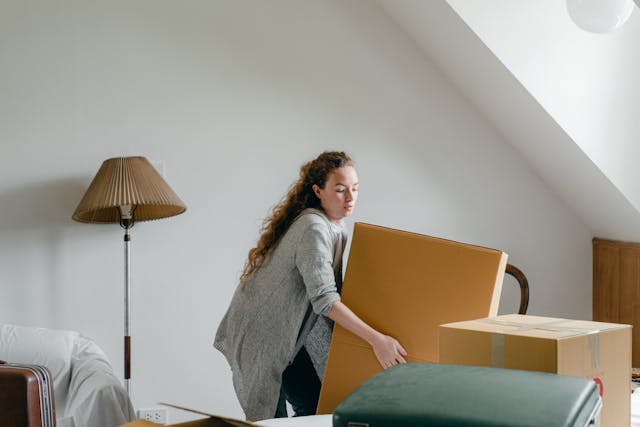
Moving can feel exciting, but it also puts real pressure on the body. Many people hurt their backs because they rush, lift without thinking, or spend hours packing in awkward positions. The good news is that small changes make a big difference. Preventing back pain when packing and lifting boxes starts with better habits, smarter planning, and steady movement from the first packed item to the last trip to the truck. Even simple body awareness practices, like the kind many people build at a yoga studio, can help you stay more balanced, flexible, and alert during a demanding move.
Why Does Packing and Lifting Boxes Often Lead to Back Pain?
Back pain during a move rarely comes from one dramatic moment. It usually builds from repeated strain. You bend over a box on the floor. You twist to grab tape. You carry uneven loads across a room. Then you repeat that pattern for hours. Each small action adds stress to your lower back, hips, and shoulders.
Packing can be just as hard on the body as lifting. Long stretches of standing, crouching, and reaching can tire the muscles that support the spine. Once those muscles get tired, posture slips. When posture slips, the back starts doing work that the legs, core, and hips should share.
There is also a mental side to moving. People often try to do too much in one day. That rush leads to poor choices, like stuffing a box until it is too heavy or trying to carry something alone just to save a few minutes. A safer move begins when you accept that speed should never matter more than control.

Prepare Your Body Before Packing Starts
A smart move starts before the first box is opened. If your body feels stiff, tired, or unsteady, packing becomes harder right away. Spend a few minutes warming up before you begin. Gentle hip circles, shoulder rolls, light walking, and easy hamstring stretches can help you move with better control.
Supportive shoes also matter. Bare feet, socks, or flimsy sandals can increase strain and make slipping more likely. Wear shoes with grip and enough support to keep you stable on hard floors, stairs, and driveways.
Try to break the work into shorter sessions. Packing for three straight hours may seem efficient, but fatigue changes the way you move. Set a timer and stop every 25 to 30 minutes. Stand tall, walk around, drink water, and reset your posture. These short breaks protect your energy and help you notice tension before it turns into pain.
It also helps to set up your packing area well. Keep tape, markers, labels, and wrapping supplies close to waist height. When your tools are easy to reach, you avoid constant bending and twisting. A good setup saves effort all day.
Pack Boxes in Ways That Protect Your Back
A smart packing plan can protect your back before moving day even begins. The way you fill each box affects how safe it will be to lift, carry, and set down later. The best boxes are not the ones packed to the top. They are the ones you can move with steady form and full control. Heavy items should go into smaller boxes, while lighter belongings can be packed into larger ones. That simple shift keeps loads manageable and helps prevent sudden strain. It also helps to distribute weight evenly, so one side does not pull your body out of balance.
Good packing also means filling gaps to stop items from sliding, keeping the heaviest pieces at the bottom, and clearly marking boxes that need two people. When something feels too awkward or too heavy, remember there is no need to do it alone. Some moving situations call for extra support. If you are dealing with limited time, past back problems, or a house full of delicate belongings, it is worth thinking about whether to pay or not to pay for packing. Professional help can take pressure off your body and reduce the risk of lifting mistakes when fatigue starts to build. Sometimes the smartest way to protect your back is to save your energy for the tasks you can handle safely.
Build a Safer Moving-Day Routine
A safer move is built on rhythm, not panic. Start the day with a simple plan. Decide which rooms will be cleared first. Keep walkways open. Move small obstacles before carrying anything heavy.
When the path is clear, your body can stay more stable. Use tools whenever possible. Dollies, sliders, hand trucks, and moving straps reduce the amount of force your body must handle. They are not shortcuts. They are smart protection.
It also helps to assign jobs based on effort. One person can tape and label while another carries. One can load the truck while another passes lighter items. The more organized the work, the fewer rushed lifts you will make.
Staying connected to healthy movement habits matters too. That is why many people find that yoga is essential when moving disrupts their routine. Even a short reset in the morning or evening can improve mobility, breathing, and focus when the day feels physically demanding.
Recover Well After Packing and Lifting
Recovery is part of safe moving, not something you think about only after pain shows up. Once the work is done, take a short walk instead of dropping straight onto the couch. Gentle movement helps reduce stiffness and keeps the body from tightening up after hours of effort.
Drink water, eat something light but filling, and stretch the areas that worked hardest. The hips, hamstrings, upper back, and shoulders often hold the most tension after a move. A heating pad or cold pack may also help, depending on what feels best for your body.
Pay attention to warning signs. Sharp pain, numbness, weakness, or pain that shoots down the leg should not be ignored. That is no longer normal soreness. It is a sign to stop and get proper medical advice.
Recovery should also include stress control. Moving is emotional as well as physical, which is one reason yoga helps reduce stress during major life moves. When the mind is calmer, the body often moves with better control and less tension.

Preventing Back Pain When Packing and Lifting Boxes Is Entirely Possible
A successful move is not about lifting the most boxes in the shortest time. It is about staying strong enough to finish without hurting yourself. Preventing back pain when packing and lifting boxes comes down to preparation, smart packing, better lifting form, steady pacing, and real recovery. When you treat each box like a task that deserves attention, your back has a much better chance of staying pain-free. Move with care, trust your limits, and remember that the safest move is usually the one that feels the most controlled.