
Personal development is one of the most rewarding investments you can make — but it’s also one of the easiest to mismanage. The pursuit of self-improvement can quickly lead to burnout if not done sustainably. Long-term growth isn’t about doing everything; it’s about doing the right things — consistently and mindfully.
Major Points
- Sustainable personal development is built on balance, purpose, and patience.
- Small, repeatable habits work better than big, short-term sprints.
- Find purpose-driven practices — like mindfulness, learning, or movement — to stay consistent.
- Growth is not a race; it’s a rhythm.
Why Personal Development Often Fails
People usually start their growth journey with excitement — new courses, journals, or fitness plans — but lose momentum when progress slows. The issue isn’t lack of willpower; it’s unsustainable structure.
Common pitfalls include:
- Overcommitting without building rest into the plan.
- Expecting rapid transformation instead of gradual improvement.
- Comparing progress to others’ highlight reels.
- Ignoring emotional and physical limits.
The key to longevity is designing routines that evolve with you. Sites like Verywell Mind offer evidence-based insights into motivation and resilience.
Purpose-Driven Practice: The Anchor of Sustainable Growth
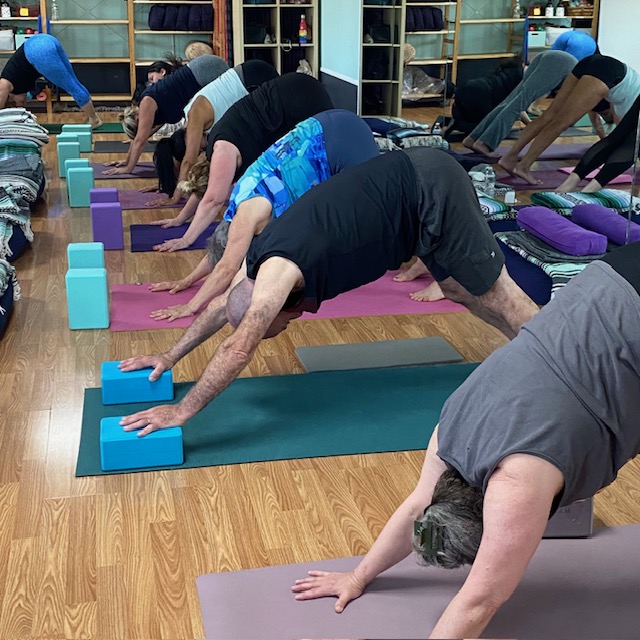
Lasting development happens when your habits are tied to meaning, not just metrics. For example, choosing a movement practice that blends purpose with mindfulness keeps progress enjoyable and natural and sustainable.
Communities like Studio 108 show how growth through movement can become a grounding force — merging mindfulness, community, and self-awareness to nurture body and mind together. It’s not about pushing harder but connecting deeper with what keeps you centered.
How-To: Build a Sustainable Growth Plan
Step 1: Define What “Better” Means to You
Write three goals that align with who you want to become, not what you think you “should” be. (Example: “I want to feel calmer and more confident,” not “I should meditate every day.”)
Step 2: Set a Weekly Growth Cadence
- One physical habit (walks, yoga, stretching).
- One mental habit (reading, journaling, or gratitude tracking).
- One skill habit (learning, practicing, or creating).
Step 3: Measure Energy, Not Just Output
At the end of each week, ask: “Did this make me feel lighter or heavier?” Tracking energy patterns helps refine what’s sustainable.
Step 4: Adjust Quarterly
Personal growth needs seasons. Every 3–4 months, evaluate what’s working — and what’s draining. For practical tracking, digital planners like Todoist or Notion can help you monitor consistency without clutter.
The Education Factor: Learning at Your Own Pace
Education remains one of the most powerful self-development tools — but it doesn’t need to happen in a classroom. Many professionals pursue online education that complements their growth goals. If your path includes expanding your credentials, an online RN to BSN program can help healthcare professionals balance career advancement with daily life.
Today’s online programs offer flexibility and variety — from creative writing to psychology — so you can keep learning without pausing your momentum.
Sustainable Strategies Table
| Growth Element | Common Mistake | Sustainable Fix | Helpful Resource |
| Goal Setting | Focusing on too many goals | Limit to 3 priorities per quarter | MindTools Goal Setting Guide |
| Habits | Trying to overhaul your life overnight | Start with 1–2 habits, track consistency | Atomic Habits (book) |
| Energy Management | Ignoring rest and recovery | Schedule “unstructured” downtime | Headspace |
| Accountability | Working in isolation | Join an online or local group for support | Meetup |
| Reflection | Skipping progress check-ins | Journal weekly using a 3- question format | Day One Journal App |
Checklist for Sustainable Personal Development
- Set intentional goals — not borrowed ones.
- Create micro-habits you can repeat even on bad days.
- Build rest into your weekly structure.
- Track how habits make you feel, not just what they produce.
- Connect with communities that reinforce your purpose.
- Refresh goals every quarter to avoid stagnation.
- Celebrate small, steady wins — they build trust with yourself.
Product Spotlight: Ember Smart Mug 2
Small changes can improve daily mindfulness — even something as simple as how you start your morning. The Ember Mug 2 keeps your drink at the perfect temperature for hours, helping you stay focused during journaling or reflection sessions. It’s a subtle productivity enhancer that turns ordinary habits into grounding rituals.
Frequently Asked Questions (FAQ)
Q1: How do I stay motivated when progress feels slow?
Focus on identity-based goals — who you’re becoming — not just the outcome.
Q2: What’s the best schedule for self-development?
Consistency matters more than timing. Build a rhythm that fits your natural energy cycles.
Q3: Should I share my growth goals publicly?
If it helps accountability, yes — but share selectively. Protect goals that are still fragile.
Q4: How do I avoid comparison fatigue?
Limit social media time and curate your feed with positive influences. Apps like Forest help you stay focused.
Q5: What if I fall behind?
Reframe “failure” as feedback. Sustainable growth is non-linear; rest and reset as needed.
Glossary
- Micro-Habits: Small, repeatable actions that compound over time.
- Energy Audit: A reflection exercise to assess which activities recharge or drain you.
- Identity-Based Goals: Objectives tied to who you want to become, not what you want to achieve.
- Rest Cycles: Planned periods of recovery built into your growth plan.
- Reflective Practice: Regular review sessions that deepen self-awareness and motivation.
Sustainable personal growth is less about discipline and more about design. When your goals align with your values and your routines honor your energy, progress becomes self-sustaining. Remember: slow is smooth, and smooth is fast. Build your growth like a garden — steady, mindful, and alive.