
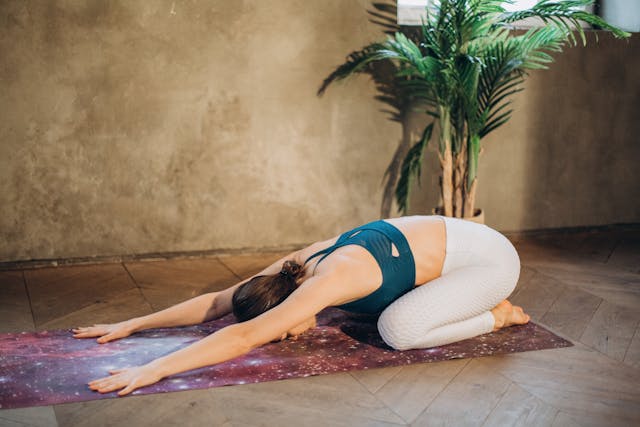
Stress continues to rise as people balance demanding schedules, constant notifications, and limited downtime. The body reacts with tension, headaches, and fatigue, while the mind struggles with restlessness and worry. These pressures, if left unchecked, can drain energy and weaken focus. For this reason, many are searching for natural approaches that provide calm
without adding more strain. Movement practices, breathing techniques, and mindful rest have started gaining recognition for their ability to reset both body and mind. Among these practices, restorative yoga is essential for modern stress relief because it encourages stillness, conscious breathing, and relaxation. In short, it supports recovery from the nonstop demands of daily living and gives people tools to restore balance.
Why Restorative Yoga is Essential for Modern Stress Relief
People today face constant stimulation from work, technology, and social demands. These pressures leave little time for true recovery. On the other hand, restorative yoga is essential for modern stress relief because it directly addresses the exhaustion created by nonstop activity. The practice slows breathing, eases physical strain, and reduces mental noise. Resting in gentle poses lowers stress hormones and promotes relaxation in the nervous system.
Unlike workouts that require exertion, restorative yoga invites stillness. This difference matters because overstimulation often prevents proper recovery. Long-held, supported postures give the body permission to release tension safely. Regular practice builds emotional balance, sharper focus, and greater patience. Restorative yoga supports people who need calm, renewal, and grounding in their daily routines.
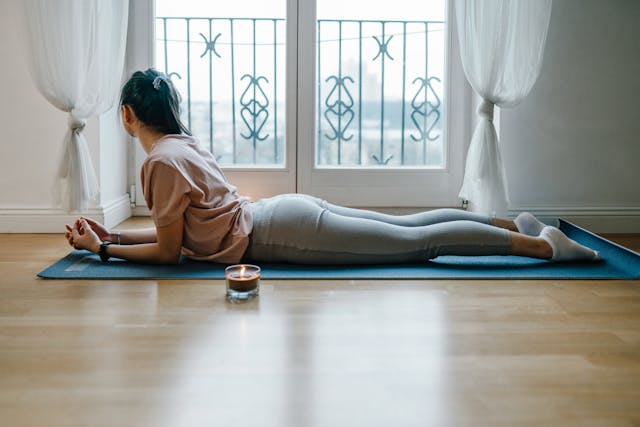
The Science Behind Calm: Nervous System Reset
The body contains two main systems: the sympathetic for action and the parasympathetic for rest. Constant pressure often over-activates the sympathetic side, leading to tension and fatigue. Restorative yoga supports the parasympathetic system by guiding the body into relaxation. Deep breathing lowers heart rate and eases blood pressure. Gentle, supported postures reduce muscle strain while calming brain activity. This shift allows the body to process stress and repair itself.
People who practice regularly notice improved mood, better sleep, and steadier energy. Unlike high-intensity exercise, restorative yoga focuses on recovery without added strain. The science highlights its unique value: conscious rest supports both physical and emotional health. Hence, restorative yoga offers a proven path toward sustainable relief from chronic stress.
Different Exercise Styles for Stress Relief
Walking supports rhythm and grounding by giving the mind a steady pace to follow. Running provides release through endorphins that quickly improve mood and reduce mental tension. Strength training builds resilience by strengthening muscles and sharpening focus during a challenge. Restorative yoga offers deep rest, using stillness to restore balance. High-energy workouts like Zumba lift energy and create excitement, while calming practices such as yoga focus on quieting the nervous system. Whether you choose yoga or Zumba, people often say both have its advantages, since each approach responds to stress differently. Restorative yoga does not depend on intensity. It creates renewal through long-held postures and slow breathing, reducing nervous system strain and supporting calm that lasts beyond practice.
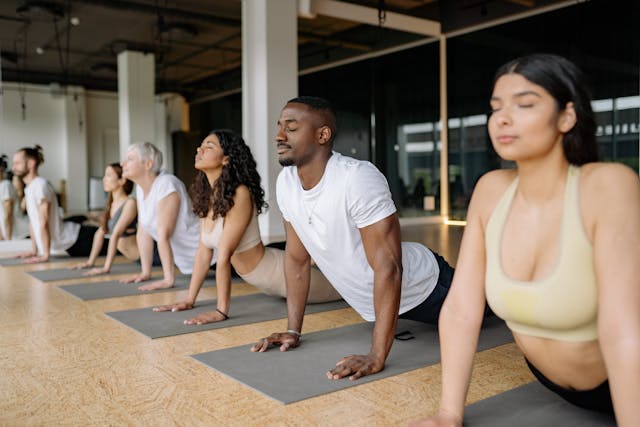
Healing the Body Through Stillness
Stress often hides in the body as tension in the shoulders, back, or jaw. Restorative yoga addresses these areas by holding supported poses that encourage release. There are around 300 million yoga practitioners globally who enjoy its physical and emotional benefits. Props ensure muscles relax without effort. Then again, stillness also benefits deeper systems such as digestion and circulation. Long, gentle sessions relieve pressure from joints, restore mobility, and enhance overall comfort.
Sleep often improves because the nervous system resets during practice. Athletes use restorative yoga to recover from intense training, while busy professionals use it to recharge. In contrast to dynamic exercise, the stillness helps restore energy instead of depleting it. Over time, physical strain reduces, aches lessen, and balance improves. Restorative yoga, therefore, provides a pathway for healing that strengthens long-term well-being.
Emotional Balance Through Gentle Practice
Emotions influence stress levels as much as physical strain. Restorative yoga creates a quiet space where feelings can surface without judgment. Breathing techniques steady the mind, making it easier to process anxiety or frustration. Nevertheless, this calm practice also helps cultivate self-awareness and emotional resilience. Slow, mindful sessions encourage people to sit with thoughts rather than avoid them. This presence strengthens patience and compassion, both
toward oneself and others. Gentle postures, supported with props, give time to release negative patterns. With practice, emotions stabilize, mood improves, and confidence grows. Unlike high-energy activities, restorative yoga focuses on inner healing. Emotional balance develops naturally when the body feels safe and supported. This gentle method offers clarity and calm in stressful environments.
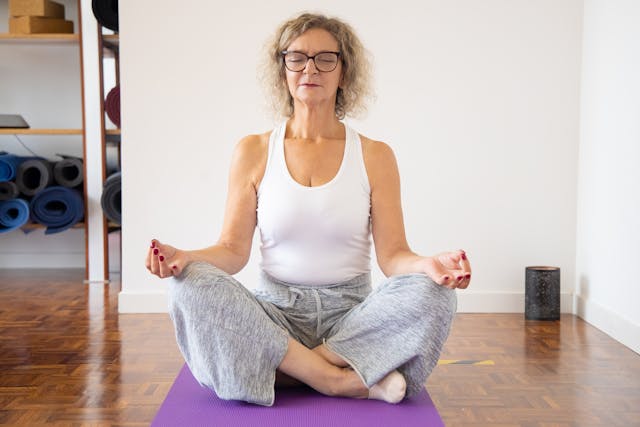
sessions nurture emotional clarity and reduce mental tension.
Practical Ways to Begin Restorative Yoga
Starting restorative yoga does not require expensive equipment. A pillow, blanket, or chair often provides enough support. For this reason, beginners can start at home without stress. Short sessions of ten minutes already reduce tension. Longer sessions deepen relaxation. Online classes and guided recordings help structure practice, while in-person sessions offer community support. People benefit from choosing a consistent time daily, such as before bed. Restorative yoga also
adapts easily to physical needs, making it suitable for all ages. Props make each posture accessible, regardless of flexibility. Setting a calm environment with dim lighting or quiet music increases the effect. In like manner, focusing on breath ensures mental presence. Consistency matters most, as regular practice builds balance and lasting relief.
The Bigger Picture: A Lifestyle of Calm
Restorative yoga works best when included as part of a balanced lifestyle. Regular practice supports clarity and resilience, but other habits matter too. Mindful, healthy eating, daily walks, and breathing exercises complement the benefits. Another key point is that reducing screen time before bed improves relaxation. Combining these choices creates a foundation for long-term calm. Restorative yoga teaches the importance of rest, which society often overlooks. Its lessons encourage people to pause, reset, and reflect daily. Whereas some activities demand constant energy, restorative yoga emphasizes slowing down. Above all, it highlights that rest is productive. A lifestyle built on these principles nurtures focus, creativity, and patience. Small, consistent habits supported by restorative yoga transform stress into balance and strength.
Restorative Yoga as a Path to Lasting Stress Relief
Restorative yoga is essential for modern stress relief because it creates balance, calm, and renewal. Supported poses reduce tension, steady the mind, and restore energy. Unlike high-intensity routines, it promotes stillness. Regular practice offers sustainable recovery, making it a powerful tool for handling daily pressures with clarity and ease.
Author’s Bio:
Mark Anderson is a wellness writer and yoga practitioner dedicated to promoting mindful living. He focuses on stress relief techniques, restorative yoga, and sustainable health practices. Through his writing, Mark inspires readers to embrace balance, calm, and resilience in their daily lives.
This content made me stop scrolling and really think about what matters most in life
This content is exceptional
Your posts always feel like breath of fresh air in my social media feed
Your posts consistently deliver value while maintaining authentic connection with audience